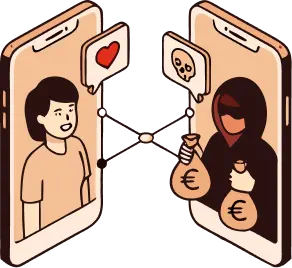



An investigation was launched following a report made by Anthony, who had previously expressed an interest in stock trading. After reading about a potential technology business online, he attempted but failed to locate a local broker. While performing additional investigation, he came across an internet advertisement for investment opportunities and subscribed to it.
Shortly after, he received a phone call from a man who identified himself as Robert and urged that he open an account with what appeared to be a credible investing firm. Within a few days, another person, David, took on the job of leading him through the account setup and share-buying procedure. Anthony was also put in touch with a fictitious financial advisor, Michael, who reassured him about the investment’s validity and predicted significant future profits.
Between October 2024 and February 2025, Anthony sent a total of €150,000 to what he thought was a genuine firm managing his interests. The cash was sent to a UK-based account. Throughout the period, he received professional-looking documentation, account statements, and assurances that his portfolio was functioning admirably.
When he attempted to take some of his profits, suspicions emerged. He was told that before any withdrawals could be processed, he needed to pay an additional €60,000 in taxes. He asked his bank for a loan because he couldn’t afford the sum. After studying the documents he had received, the bank staff quickly discovered anomalies and concluded that the invoices and investment paperwork had been faked.
It became clear that he had been the victim of a sophisticated investment fraud scheme involving multiple individuals using convincing identities and coordinated communication. The total confirmed loss amounted to €150,000.
Fraudsters often exploit victims’ interest in legitimate financial opportunities, using professional communication and documentation to create a false sense of security.
Disclaimer: This account is based on a real-life case investigated by the authorities. While the events and figures described are factual, names have been changed to protect the privacy of the individuals involved.