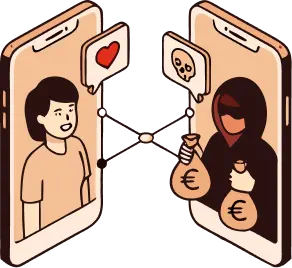



An investigation was launched after a Sliema resident we will call Joseph reported falling victim to a secondary fraud known as a ‘recovery room’ scam. Joseph had already suffered a significant loss of €20,000 through a previous romance scam. Just a few weeks after that ordeal, he received an email from a woman claiming to be an investigator working for ‘Europol’. She informed him that the criminals responsible for his original loss had been apprehended and that his funds were in the process of being returned to the identified victims.
To facilitate the return of his money, Joseph was instructed to pay €5,000 for what was described as a ‘legalisation and processing fee’. The email appeared highly official, containing case reference numbers and attachments that closely resembled authentic court documentation. Over the following weeks, the fraudsters introduced new obstacles, demanding an additional €3,500 for ‘currency conversion clearance’ and attempting to request another €2,000 for ‘anti‑money laundering certification’. As the costs continued to escalate without any sign of his original funds, Joseph became suspicious and stopped making payments to seek official assistance. Subsequent checks confirmed that the entire operation was a fabrication, with criminals impersonating international law enforcement to exploit his desire to recover his previous losses.
Warning signs and red flags:
- The contact is initiated by an individual claiming to represent international law enforcement agencies like Europol or Interpol.
- The scammers promise a guaranteed and full recovery of funds lost in a previous fraudulent scheme.
- Multiple requests for upfront payments are made under the guise of legal or administrative processing fees.
- The emails include attachments that look like official court orders or legal certificates to create a false sense of authority.
- Costs continue to escalate with new and varied excuses for why the recovered funds have not yet been released.
Disclaimer: This account is based on a real-life case investigated by the authorities. While the events and figures described are factual, names have been changed to protect the privacy of the individuals involved.